2026.09.20Material

Radiopaque fillers — BaSO₄, Bi₂O₃, BiOCl, tungsten: which material takes how much

“Can you add 20% BiOCl or Bi₂O₃?” — that is how radiopaque tubing inquiries arrive. Filler type and loading depend on the base material, and once added they change durometer, tolerance and surface.

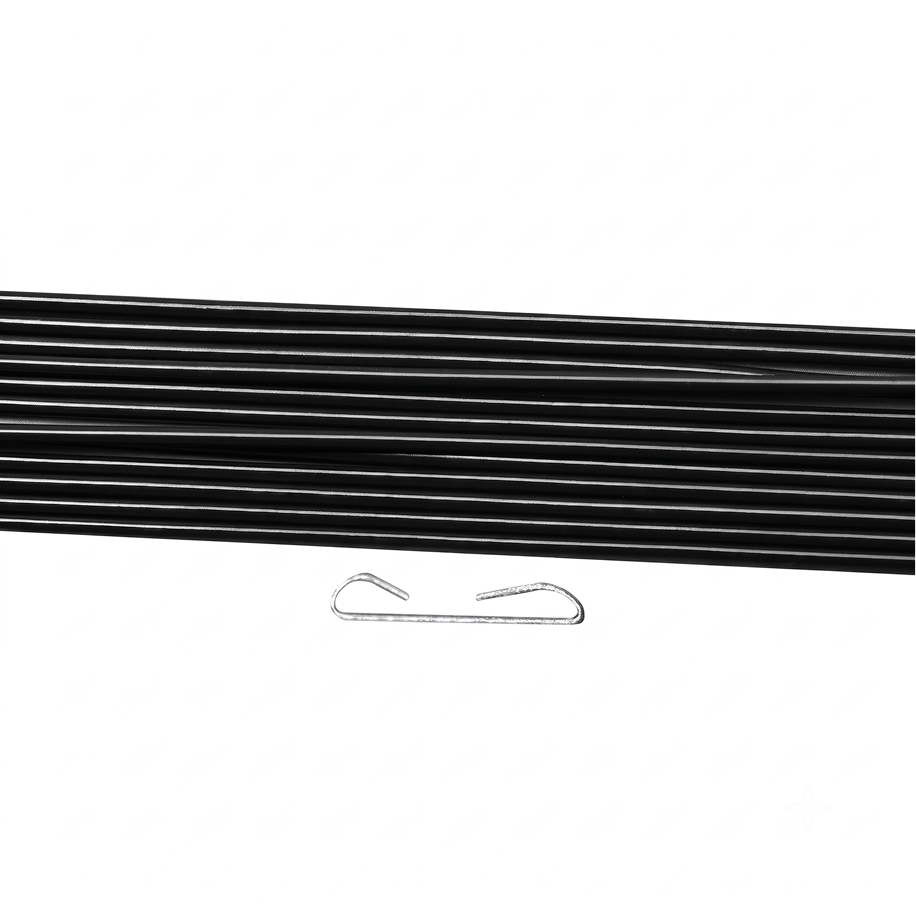
TPU radiopaque tubing
TPU radiopaque tubing · BaSO₄ filled
FillerVisibilityTypical loadingNotes
Barium sulphate BaSO₄Moderate10~40%Most common, low cost, white. High loading can roughen the surface
Bismuth trioxide Bi₂O₃High15~30%Same visibility at lower loading than BaSO₄. Yellowish tint
Bismuth oxychloride BiOClHigh15~30%White, pearlescent, processes well
Tungsten WVery high40~80%Maximum visibility in thin walls such as microcatheter tips. Grey, expensive

By material

MaterialFillerNote
PTFEBaSO₄ · Bi₂O₃ · BiOCl 20%Keeps Shore D 65+, tolerance ±0.025–0.03 mm
ETFEBaSO₄ · Bi₂O₃ 20%Shore D 67–70, sheaths and jackets
FEPBaSO₄Full fill or co-extruded stripe
TPUBaSO₄ · BiOClShore 80A–70D; smooth-surface condition possible
Pebax · PABaSO₄ · Bi₂O₃ · WCatheter shafts and tips
HDPEBaSO₄ 10%Shore D 65+, extrusion-friendly resin can be recommended

What changes once filled

  • Durometer — inorganic fillers raise it. Confirm the required durometer (e.g. PTFE Shore D 65+, ETFE 67–70D) after filling.
  • Tolerance — filled resins extrude slightly less stably, so ±0.025 mm is reviewed per size. ±0.03 mm is usually fine.
  • Surface — higher loading can roughen it. If you need “no bumps or roughness”, filler type and loading are tuned together.
  • Documents — check that the MSDS covers the filler and that biocompatibility data refers to the filled grade.
In an inquiry, give material · filler type · loading (or target visibility) · required durometer · tolerance · dimensions · annual volume. If you only need local visibility, a marker band without filled resin can be more economical.

More technical notes

More Notes
All technical notes →
2026.09.15A guide to CNC machining medical PEEK2026.09.09Catheter design guide — material, layers, tolerance2026.09.02PEEK biocompatibility — what an engineer should know2026.08.20Medical PI tubing — seven things an engineer should check
Contact

Send us a specification
and we answer feasibility first

Dimensions, material, application. Those three are enough to start. A drawing makes it faster.

grit@octud.com010-3338-2976
01Dimensions — OD / ID / wall, or Fr
02Material · whether a grade is specified · tolerance
03Application · secondary processing · expected volume
Support in Korean and English · drawings welcomeSend an inquiry