Design2026.09.24
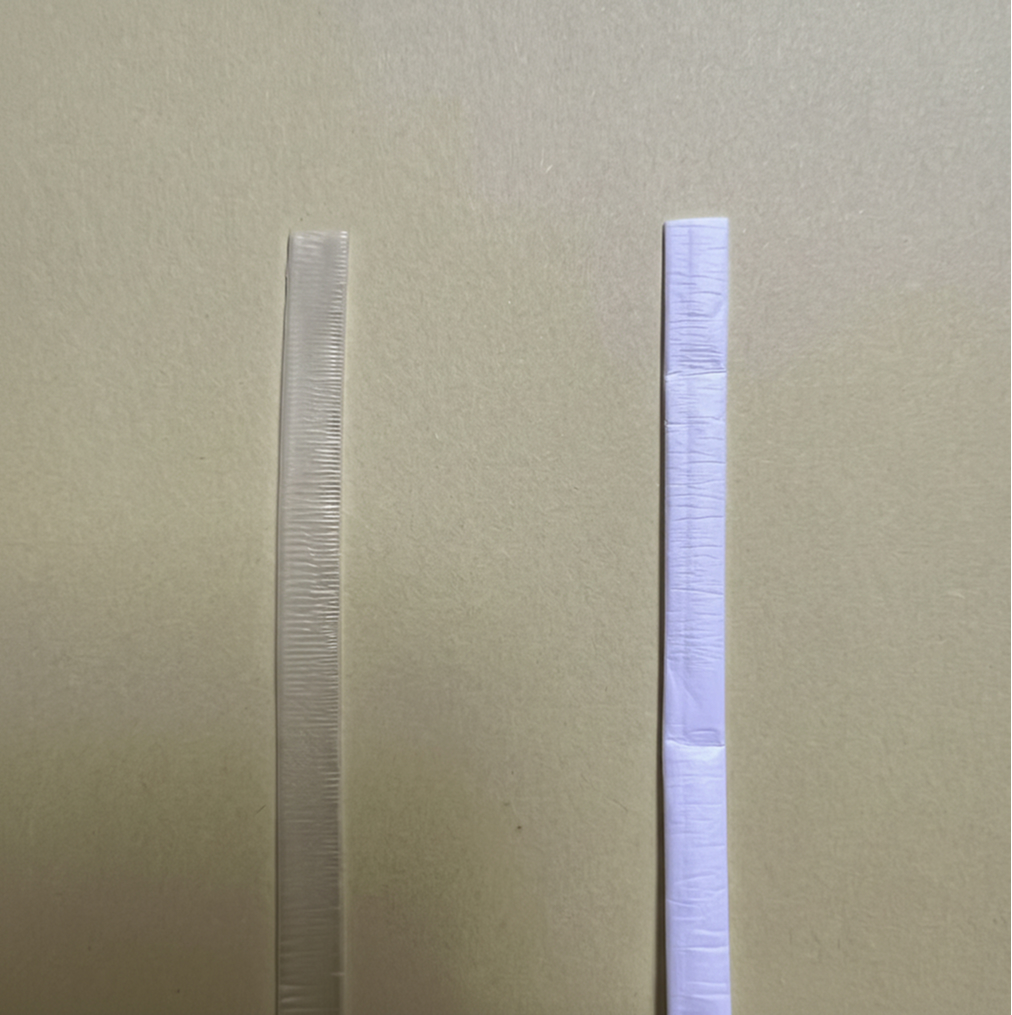
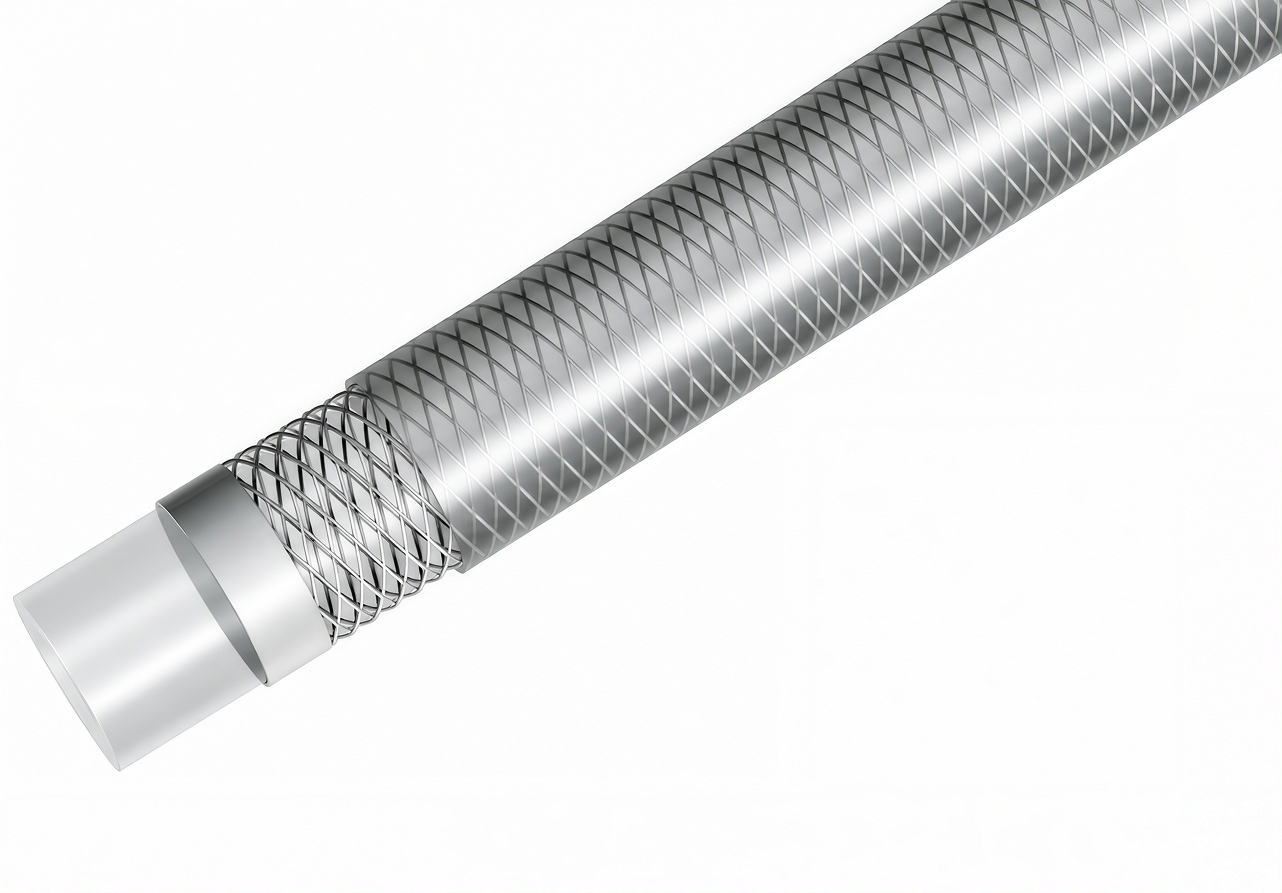
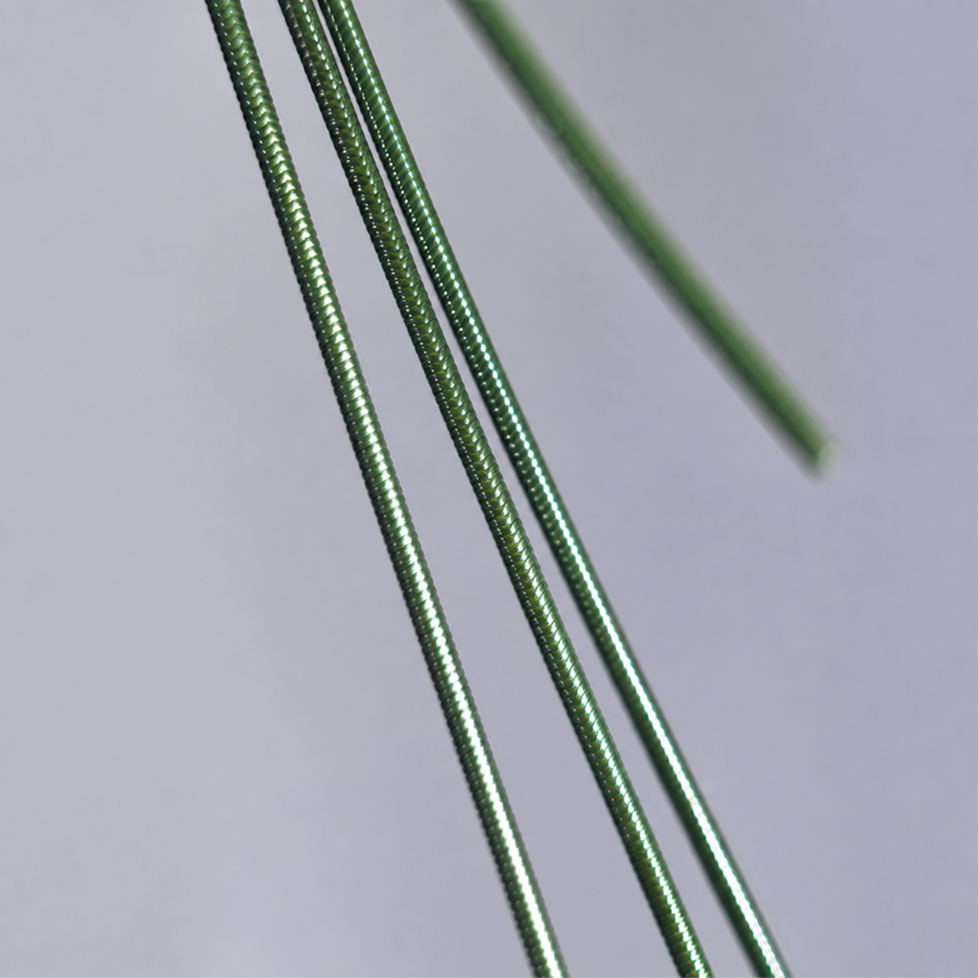
Specifying braided tubing — what 16 carriers, 2-wire and PPI 45 mean
Materials2026.09.23
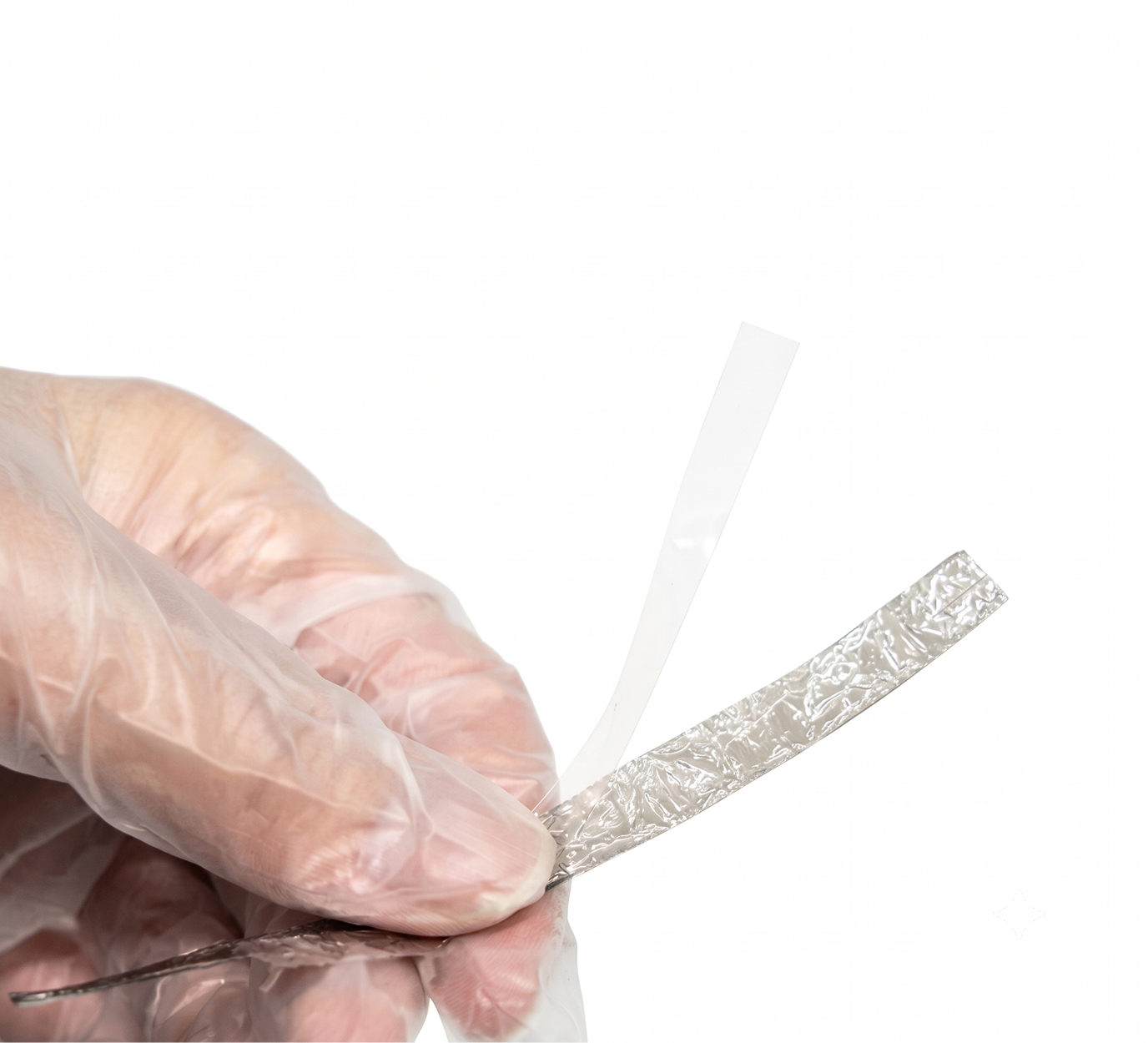
PET vs FEP heat shrink — the one that stays and the one you peel
Design2026.09.22
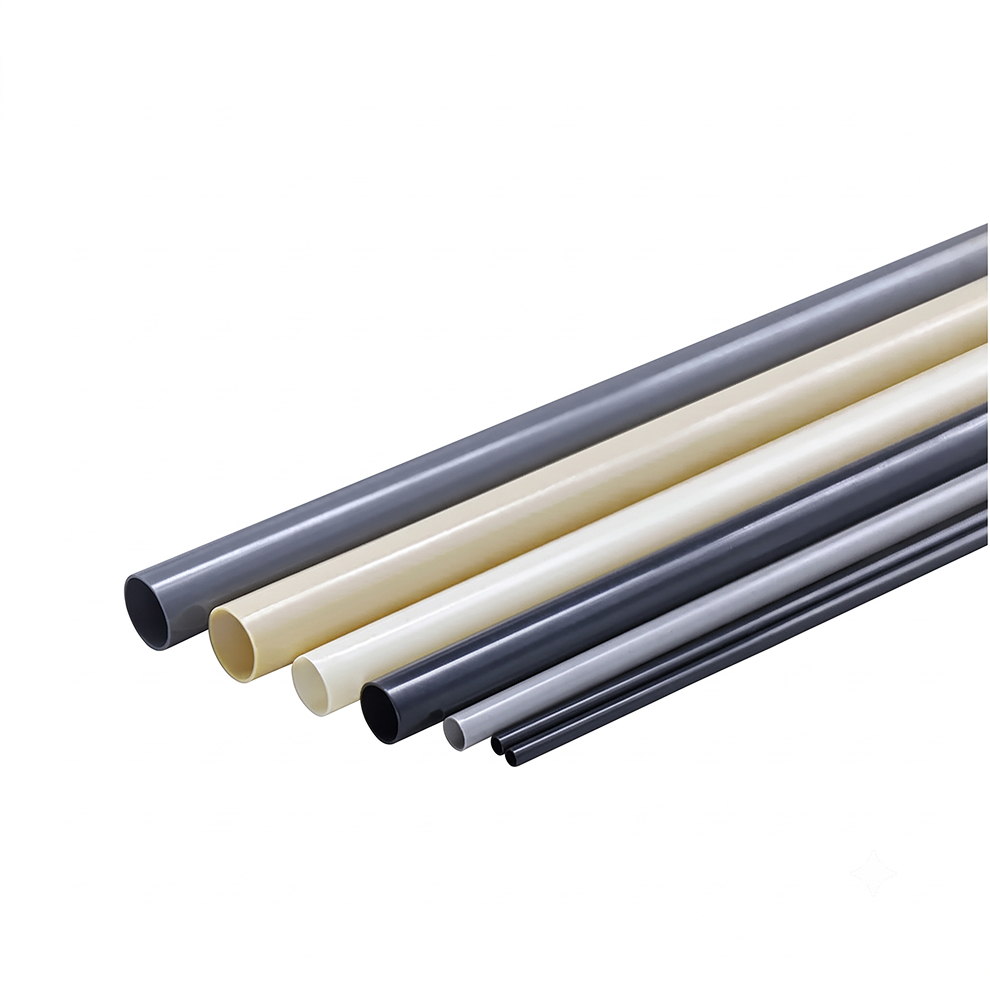
PEEK tubing tolerance and straightness — why ±0.03 mm is standard and ±0.02 costs more
Documents2026.09.21
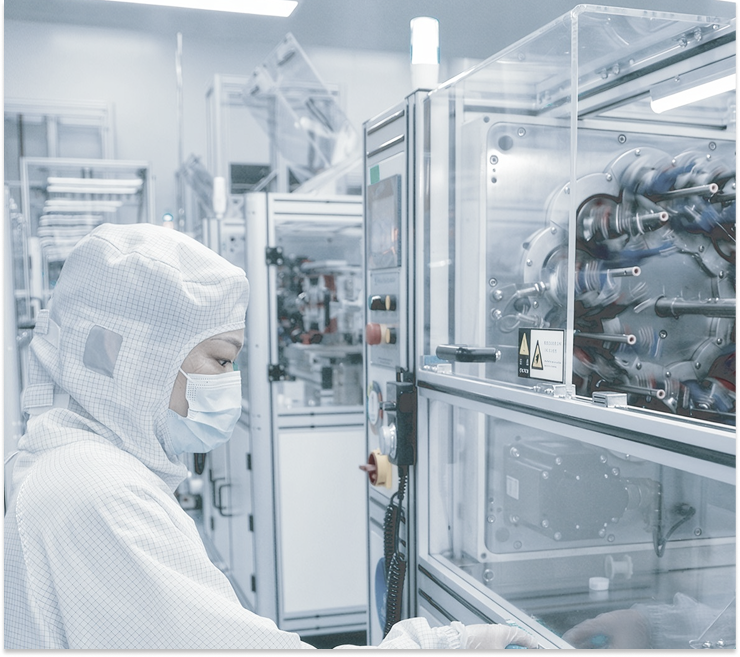
Medical tubing documents — TDS, MSDS, biocompatibility: what to ask for and when
Materials2026.09.20
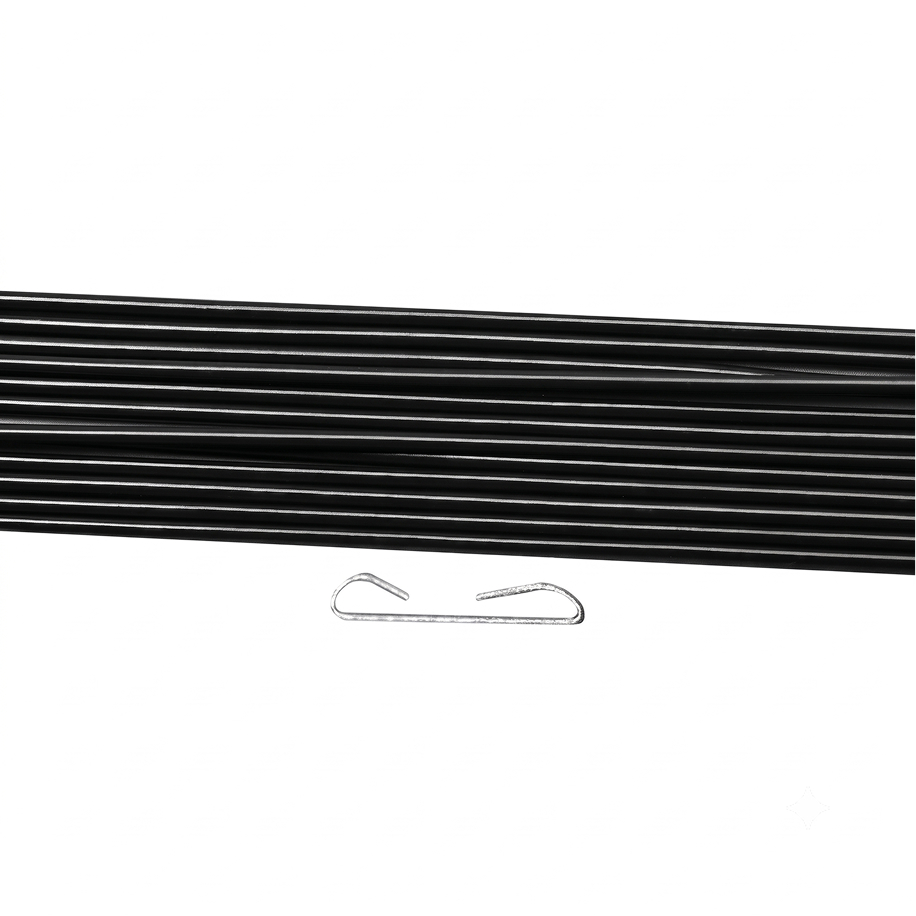
Radiopaque fillers — BaSO₄, Bi₂O₃, BiOCl, tungsten: which material takes how much
Design2026.09.19
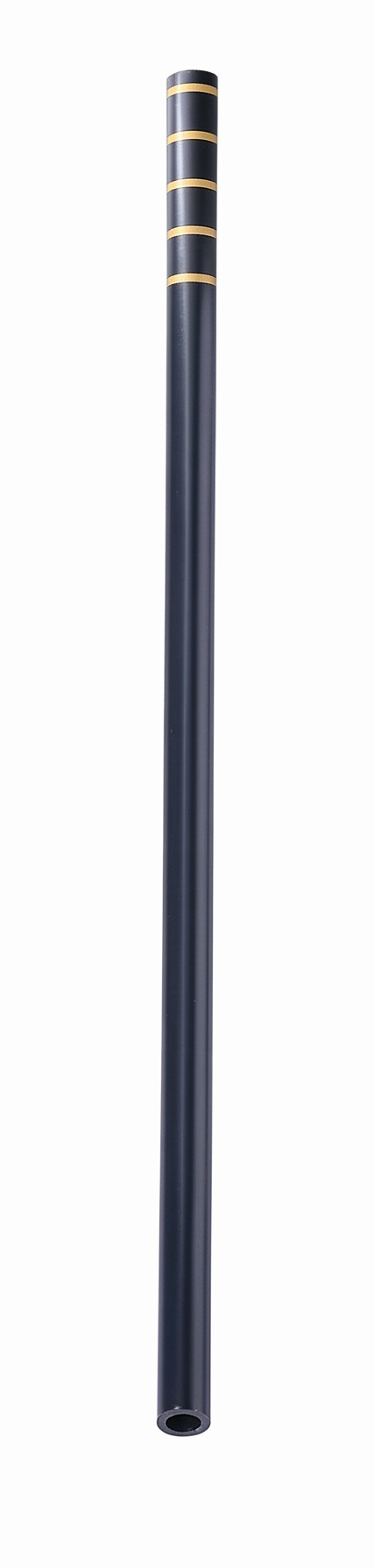
Fr · inch · mm conversion — catheter dimensions in practice
Materials2026.09.16
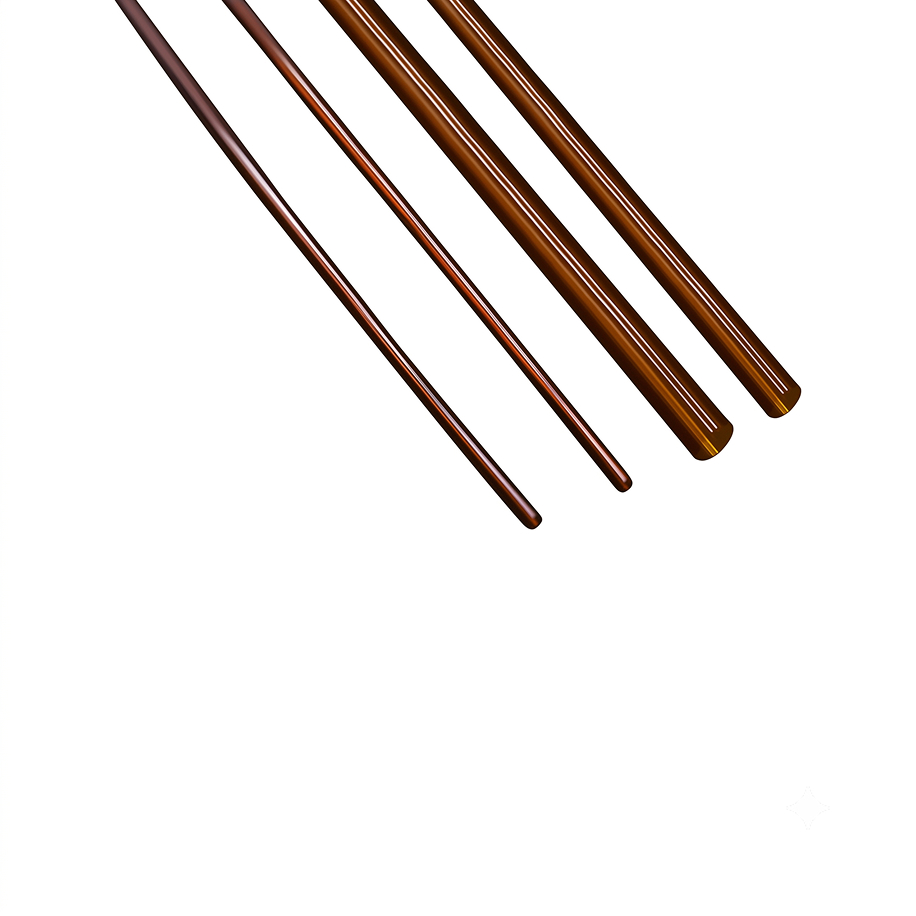
PA (polyamide) vs PI (polyimide) — choosing a catheter material
Design2026.09.15
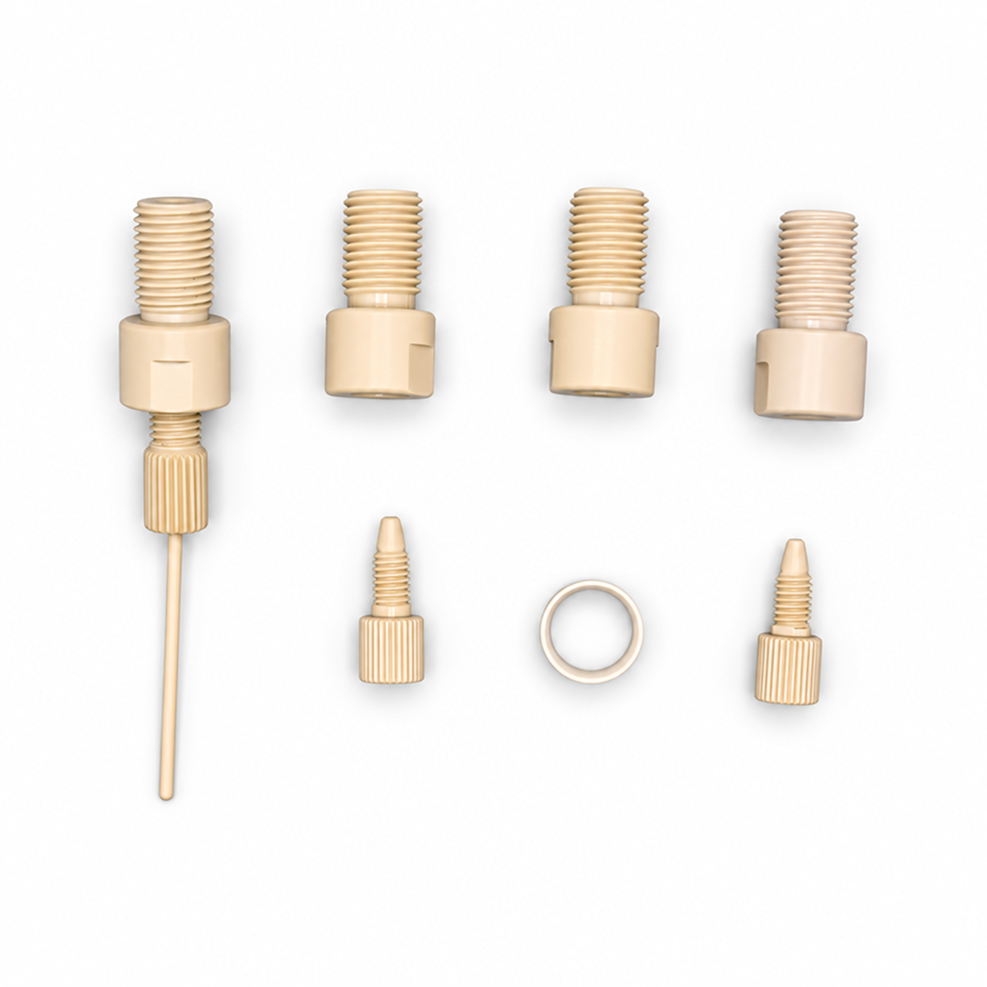
A guide to CNC machining medical PEEK
Design2026.09.09
Catheter design guide — material, layers, tolerance
Materials2026.09.02
PEEK biocompatibility — what an engineer should know
Materials2026.08.20
Medical PI tubing — seven things an engineer should check
Shows2026.03.23