Balloon tubing · single, two and three layer

Balloon Tubing

The core component forming the expansion section of a balloon catheter. OD 0.20–18.00 mm, tolerance ±0.01 mm. Produced as single-, two- and three-layer co-extrusion.

From published materialPost-form dimensions to drawing
Outer diameter
0.20–18.00
mm
Inner diameter
0.10–8.00
mm
Wall
0.05–1.00
mm
Tolerance
±0.01
mm
Request a quote · TDSSee specifications
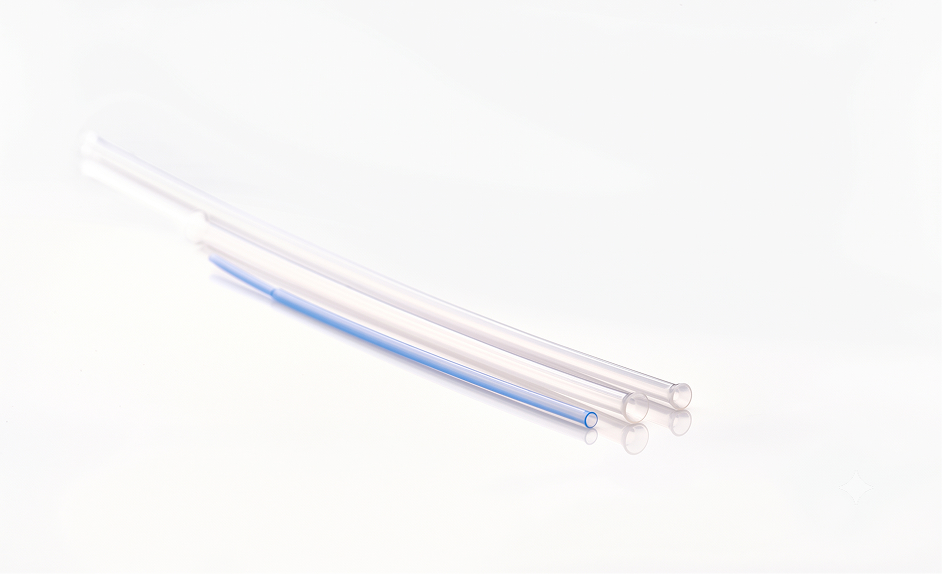
Balloon tubing — three clear and blue co-extruded tubes

Production capability

Capability
8 items

The ranges below describe production capability, not part numbers. If your specification falls outside them, ask anyway — most cases are feasible.

Item
Specification
Outer diameter
0.20 – 18.00 mm
Inner diameter
0.10 – 8.00 mm
Wall
0.05 – 1.00 mm
Tolerance
±0.01 mm (catalogue states ±0.01 – 0.03 mm)
Layers
Single · two · three layer
Material
Nylon · Pebax · PU · TPU · PET · PE · PP and others
Controlled parameters
Yield strength · tensile strength · elongation at break · burst pressure · concentricity · repeatability
Characteristics
High repeatability · high concentricity · balloon forming yield
Source — Linstant Company Profile 2025 · product catalogue
TDS · MSDS available
Two-layer high-burst balloon tubing (PA) entered mass production in 2017. Burst pressure figures depend on the specification, so they are not published — send your requirements and we will respond.
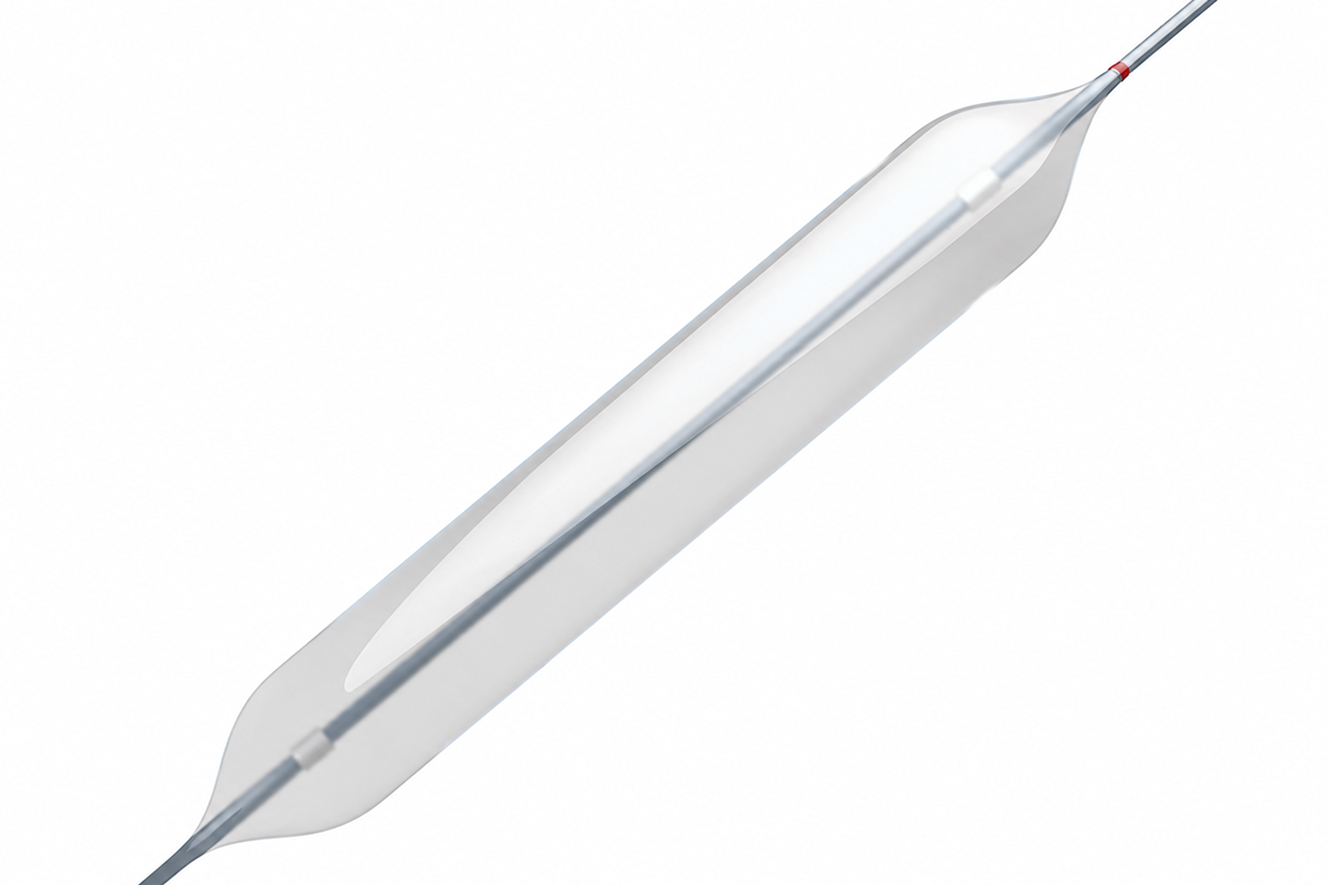
Formed balloon — expanded section and marker bands on the shaft
After forming — the tubing is blow-moulded into the balloon section
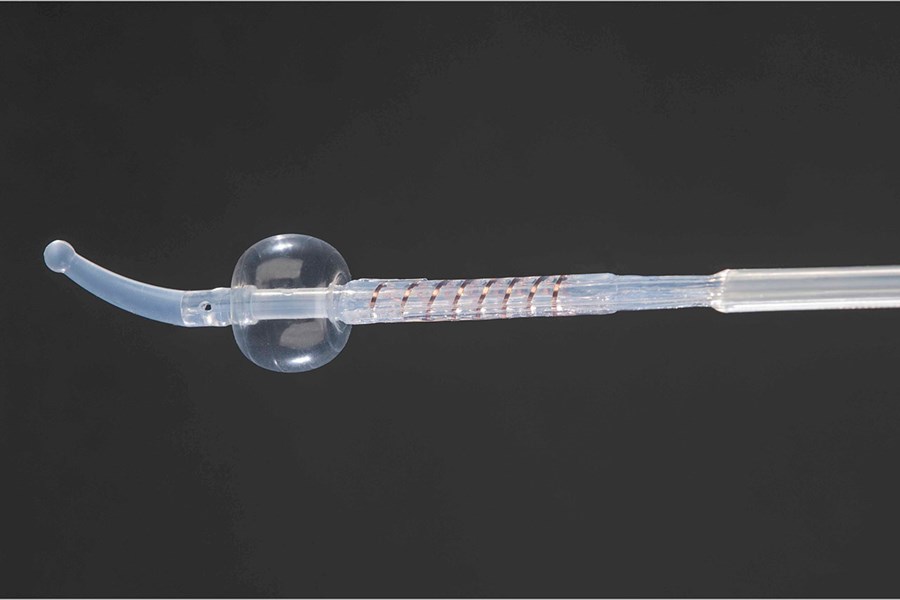
Balloon catheter distal end — spherical balloon on a coil-reinforced shaft
Application example — balloon catheter distal end

Applications

Applications

Applications named in the Linstant catalogue and Company Profile.

Cardiovascular
Orthopaedics (vertebral balloon)
Minimally invasive surgery
Peripheral vascular
Related items
Heat Shrink TubingBalloon and stent protection→PEEK tubeID 0.10–23.00 mm→Precision Extruded TubingMulti-layer · multi-lumen→

FAQ

FAQ

What is the outer diameter range for balloon tubing?

We produce from 0.20 mm to 18.00 mm outer diameter, with a tolerance of ±0.01 mm.

How many co-extruded layers are possible?

Single, two and three layers. Two-layer high-burst balloon tubing (PA) has been in mass production since 2017.

Which materials can be used?

Nylon, Pebax, PU, TPU, PET, PE and PP among others. The choice follows the inflation behaviour you need.

What is the burst pressure?

It varies with the specification, so we do not publish a blanket figure. Send your target burst pressure and dimensions and we will come back with workable combinations.

How is concentricity controlled?

Yield strength, tensile strength, elongation at break, burst pressure, concentricity and repeatability are all controlled parameters in production.
Other items

Full index →
Precision Extruded TubingPrecision Extruded TubingBraided tubingBraided & Coil ReinforcedPI braided tubingPI Braided Reinforced SheathMedical Heat Shrink TubingMedical Heat Shrink TubingPEEK tubePEEK TubingPI Tubing (Polyimide)Polyimide TubingPTFE linerPTFE LinerUHMWPE linerPFAS-free PTFE ReplacementSteerable SheathSteerable SheathMicrocatheterMicrocatheterGuiding catheterGuiding CatheterAngiographic CatheterAngiographic CatheterNegative Pressure Access SheathNegative Pressure SheathEndoscope Insertion TubeEndoscope Insertion TubeFluoropolymer Medical TubingFluoropolymer Medical TubingHigh Pressure Braided TubingHigh Pressure Braided TubingBiopsy ChannelBiopsy Channel
Contact

Send us a specification
and we answer feasibility first

Dimensions, material, application. Those three are enough to start. A drawing makes it faster. We reply with TDS, MSDS and MOQ together.

grit@octud.com010-3338-2976
01Dimensions — OD / ID / wall, or Fr
02Material or required properties · tolerance
03Application · expected volume · whether you need a TDS
Support in Korean and English · drawings welcomeSend an inquiry