Polyimide · thermoset

Polyimide
PI tubing

PI is a thermoset that keeps its strength and heat resistance at very small dimensions. Two items: a single-layer coated tube, and a reinforced tube with braid or coil for torque control — 2 items.

2 published itemsMulti-layer and profiles to drawing
Inner diameter
0.102–5.080
mm
Wall
0.01
mm and up
Long-term heat
350
°C and above
Tolerance
±0.0051
mm and up
Request a quote · TDSSee the comparison
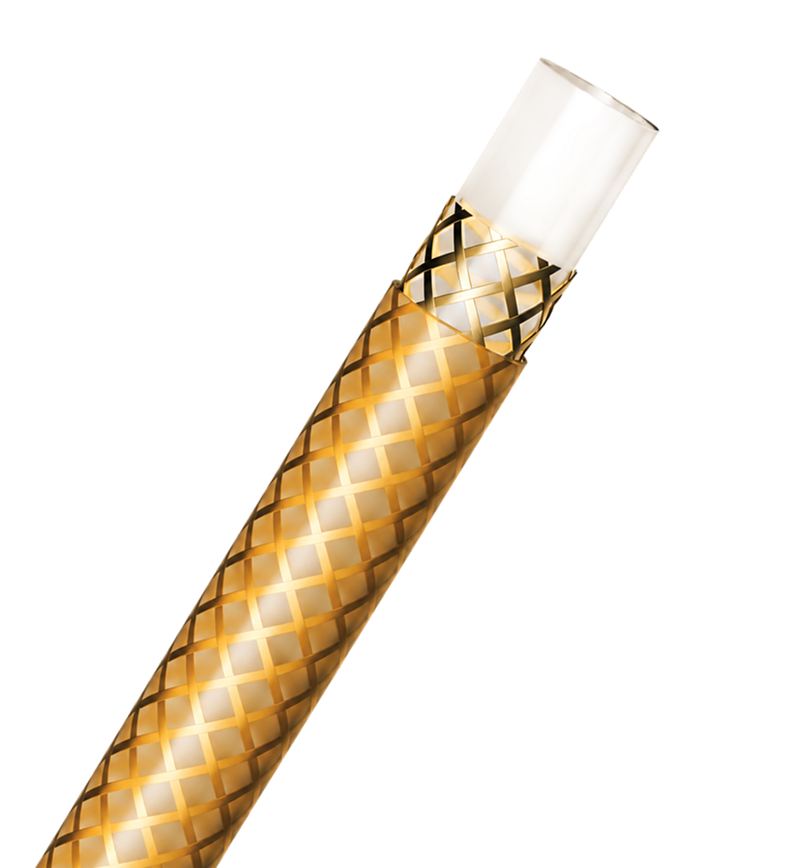
PI braided reinforced tubing — braid layer visible under the clear tip

2 published items

2 published items
Linstant published data

The two items Linstant publishes dimensions for. They differ in structure, so the same column reads differently — single-layer wins on thinness and heat, reinforced on torque transmission.

Items
Inner diameter
Wall
Tolerance
Service temperature
Reinforcement
Medical Polyimide Tubing
0.102 – 5.080 mm
0.01 – 0.20 mm
± 0.0051 mm and up
−269 – 400 °C
None (single layer)
PI braided tubing
0.1 – 4 mm
0.015 – 0.15 mm
± 0.01 mm
−200 – 350 °C
Coil · braid · combined
Source — Linstant published data (2 polyimide items)
Inch originals shown with mm conversion
The table gives production capability, not part numbers. Service temperature is the material rating; the real limit depends on assembly, bonding and sterilisation.

By item

By item

Medical Polyimide Tubing

Medical Polyimide Tubing
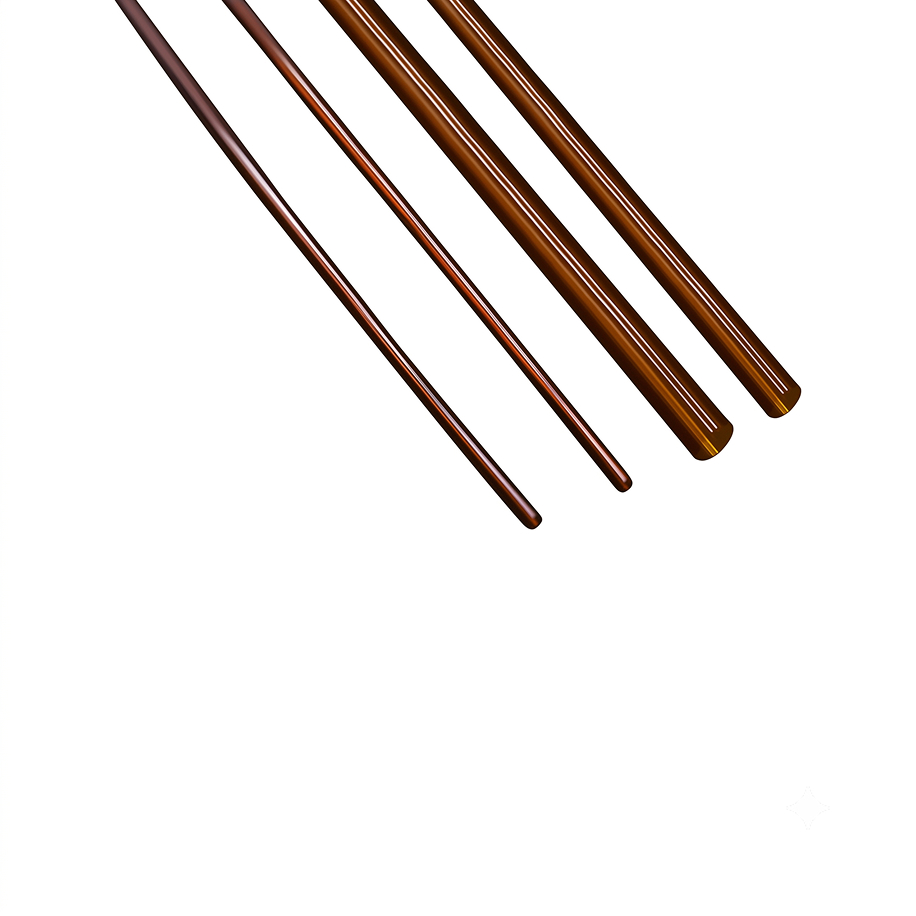
Medical polyimide tubing — four small-bore amber tubesDetails →

Strong and wear resistant, and it holds up as dimensions shrink. Where more lubricity is needed a PI/PTFE composite lowers friction. The bore stays smooth while the PI layer carries the structure.

Inner diameter0.102 – 5.080 mm
Wall0.01 – 0.20 mm
Tolerance± 0.0051 mm and up
Tensile strength210 MPa
Service temperature−269 – 400 °C
Bonds directly to nylon and TPU with no surface treatment. Over 350 °C continuous, 450 °C short term.
Medical polyimide tubing enquiryDetails →TDS · MSDS available

PI braided tubing

PI Reinforced Tubing
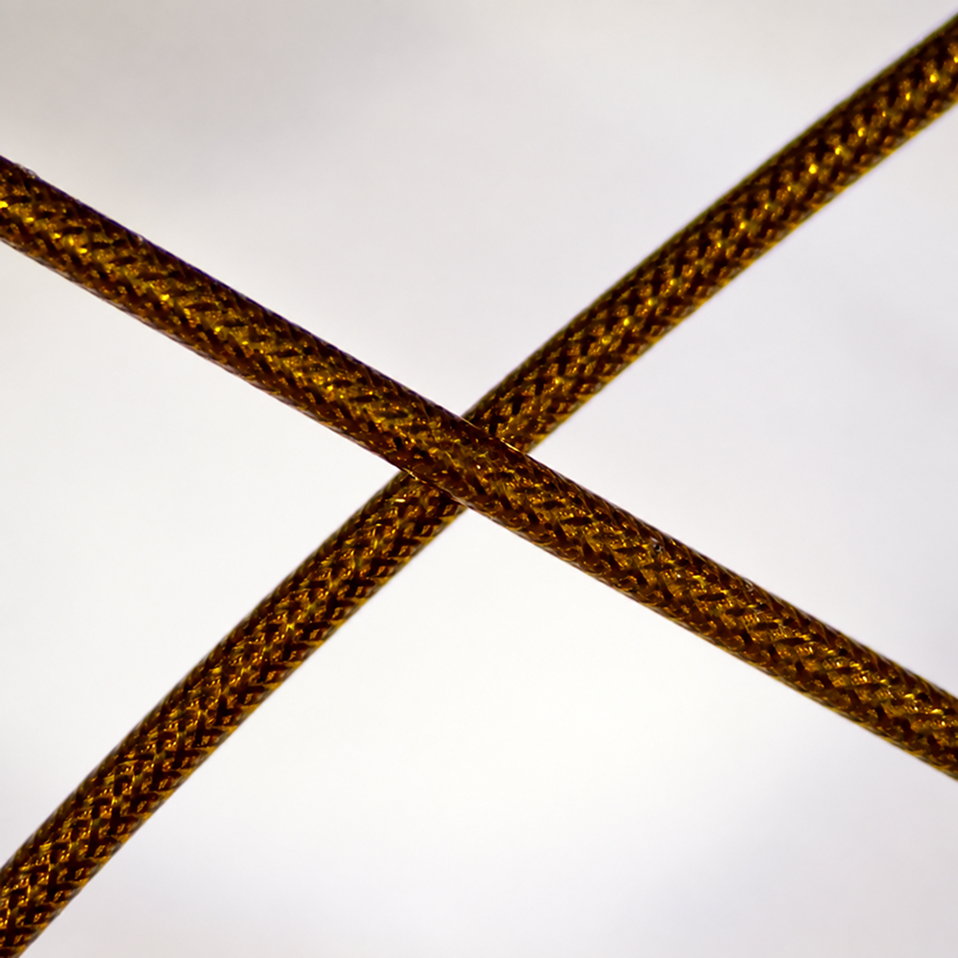
PI braided tube surface — crossing braid patternDetails →

A composite that adds braid reinforcement to PI's strength and heat resistance. Burst pressure and push go up, and torque control, flexibility and strength improve with them. The layers bond tightly.

Inner diameter0.1 – 4 mm
Wall0.015 – 0.15 mm
Tolerance± 0.01 mm
ReinforcementCoil / braid / combined
Service temperature−200 – 350 °C
Outer PI · PEBAX · PA · TPU, middle stainless steel · nitinol, inner PTFE · PI. ISO 10993 compliant.
PI braided sheath enquiryDetails →TDS · MSDS available

How to choose

How to choose

Single layer or reinforced

Polyimide is chosen not by material but by Construction. If thinness and heat are the goal, single layer; if torque has to reach the tip, reinforced.

Construction
Items
Typical materials
Single-layer coating
Medical PI tubing
PI · PI/PTFE
3-layer reinforced
PI braided tubing
Outer PI·PEBAX·PA·TPU<br>Inner PTFE·PI
The reinforcement is coil, braid, or coil plus braid.
Item by requirement
When the wall has to go down to 0.01 mmMedical PI tubing
When torque transmission mattersPI braided tubing
When it runs above 350 °CMedical PI tubing
When the bore exceeds 4 mmMedical PI tubing
up to 5.08 mm
When bonding without surface treatmentMedical PI tubing
When sterilisation repeatsPI braided tubing
ISO 10993
Both items can be coloured amber, black or green and printed with conventional techniques.

Processes that run alongside

PI tubing rarely ships as cut stock. Running tip forming, marker bands and bonding in one place removes an inspection step.

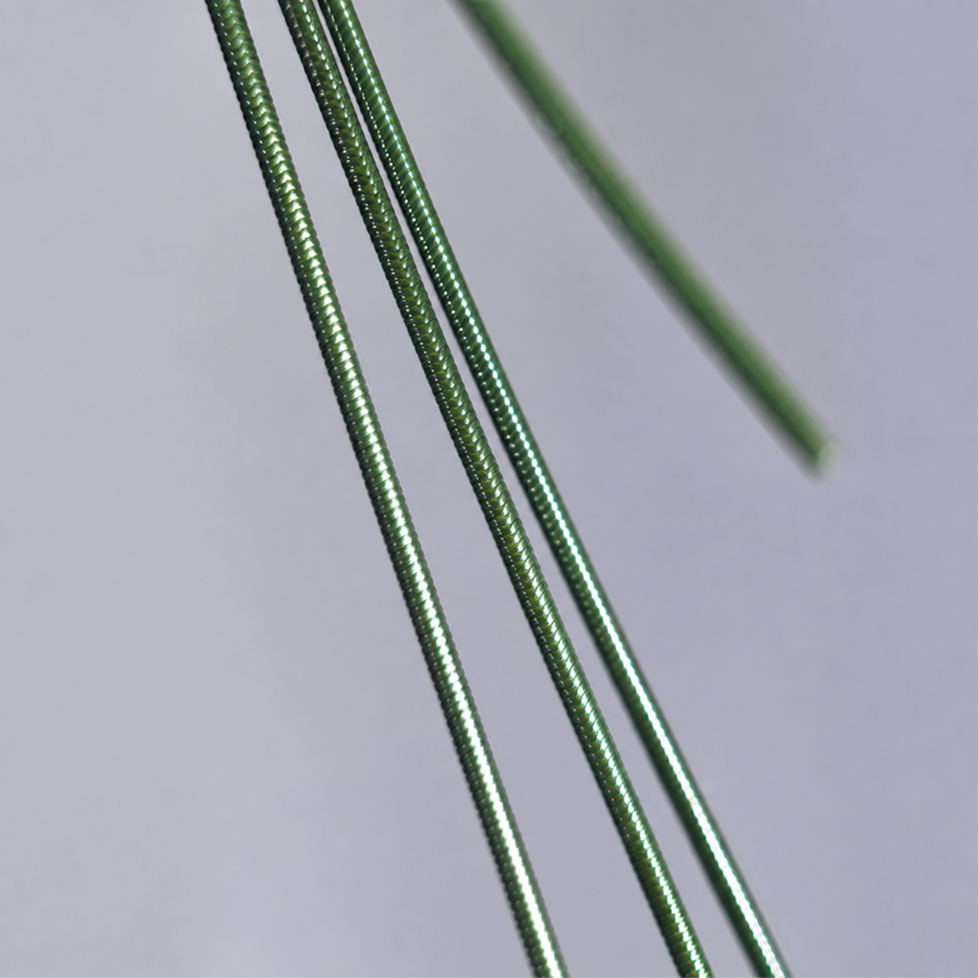
PI coil reinforced tubing — close-up of the green-coated coil winding
Polyimide tubing secondary processing
Tip formingCatheter PrintingHole punchingBondingMarker bandCoating
Related items
Braided tubingMetal braid and coil reinforcement — 3 items→Fluoropolymer Medical TubingPaired with a PTFE liner→Secondary processingTip forming · marker bands · bonding→

FAQ

FAQ

PI or PEEK?

If the wall has to reach 0.01 mm, PI. PEEK machines and moulds and is stiffer on its own, which suits structural parts.

Why does PI tubing have no melting point?

It is a thermoset — it decomposes rather than melts, so it keeps its shape over 350 °C continuous and up to 450 °C short term.

Is surface treatment needed before bonding?

No. It bonds directly to nylon and TPU untreated. Etching is only needed when a PTFE liner is involved.

What goes in the middle layer of the reinforced tube?

Stainless steel by default, nitinol on request. Pick the structure: coil, braid, or coil plus braid.

Which sterilisation methods work?

EtO, gamma, e-beam and autoclave all work. Repeat autoclaving is not recommended.

Is there a minimum order quantity?

It depends on the item and size. Prototype quantities can start small — ask us.

Other items

Full index →
Precision Extruded TubingPrecision Extruded TubingBraided tubingBraided & Coil ReinforcedPI braided tubingPI Braided Reinforced SheathMedical Heat Shrink TubingMedical Heat Shrink TubingPEEK tubePEEK TubingPTFE linerPTFE LinerUHMWPE linerPFAS-free PTFE ReplacementBalloon TubingBalloon TubingSteerable SheathSteerable SheathMicrocatheterMicrocatheterGuiding catheterGuiding CatheterAngiographic CatheterAngiographic CatheterNegative Pressure Access SheathNegative Pressure SheathEndoscope Insertion TubeEndoscope Insertion TubeFluoropolymer Medical TubingFluoropolymer Medical TubingHigh Pressure Braided TubingHigh Pressure Braided TubingBiopsy ChannelBiopsy Channel
Contact

Send us a specification
and we answer feasibility first

Dimensions, material, application. Those three are enough to start. A drawing makes it faster. We reply with TDS, MSDS and MOQ together.

grit@octud.com010-3338-2976
01Dimensions — OD / ID / wall, or Fr
02Material or required properties · tolerance
03Application · expected volume · whether you need a TDS
Support in Korean and English · drawings welcomeSend an inquiry