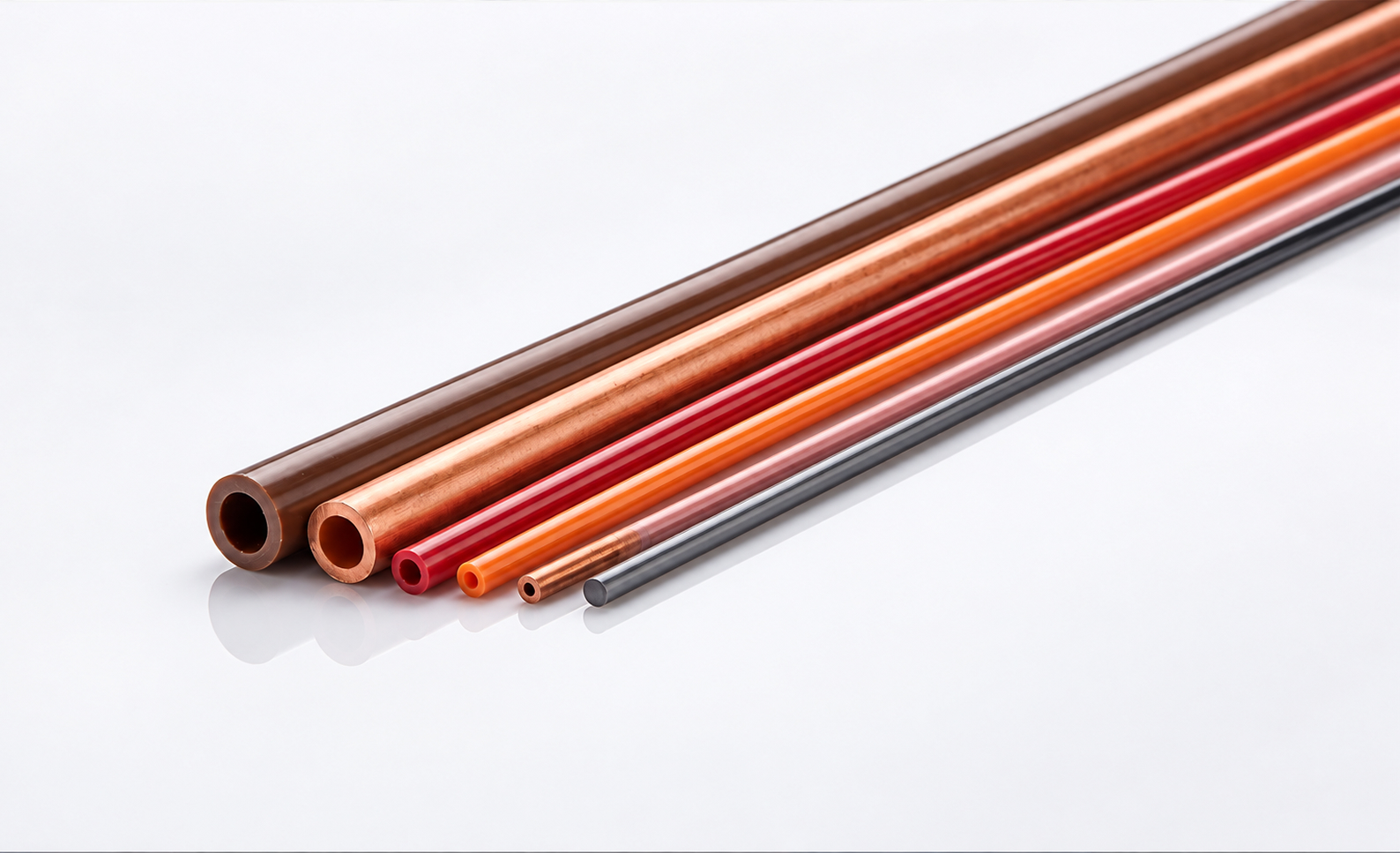
PEEK tube
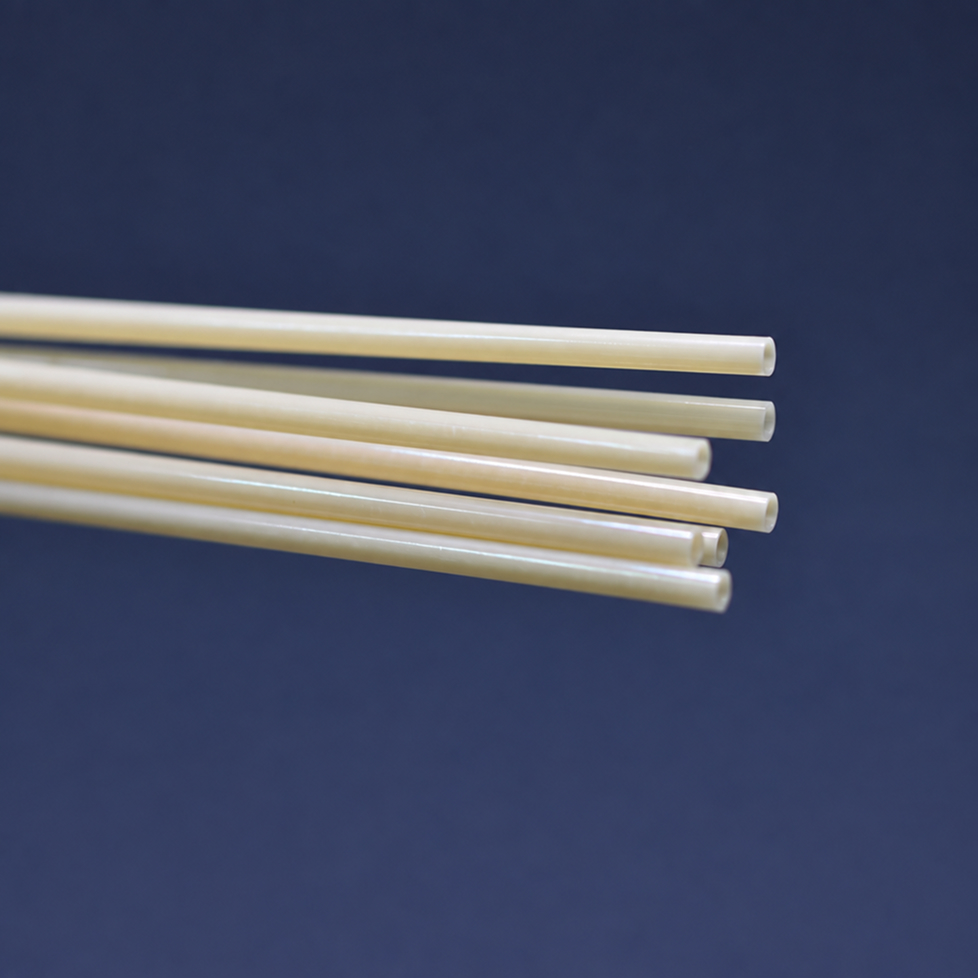
PEEK TubingRuns stably at 250 °C while holding high strength, fracture toughness and dimensional stability. Chemical stability, flame resistance, wear resistance and biocompatibility come with it.
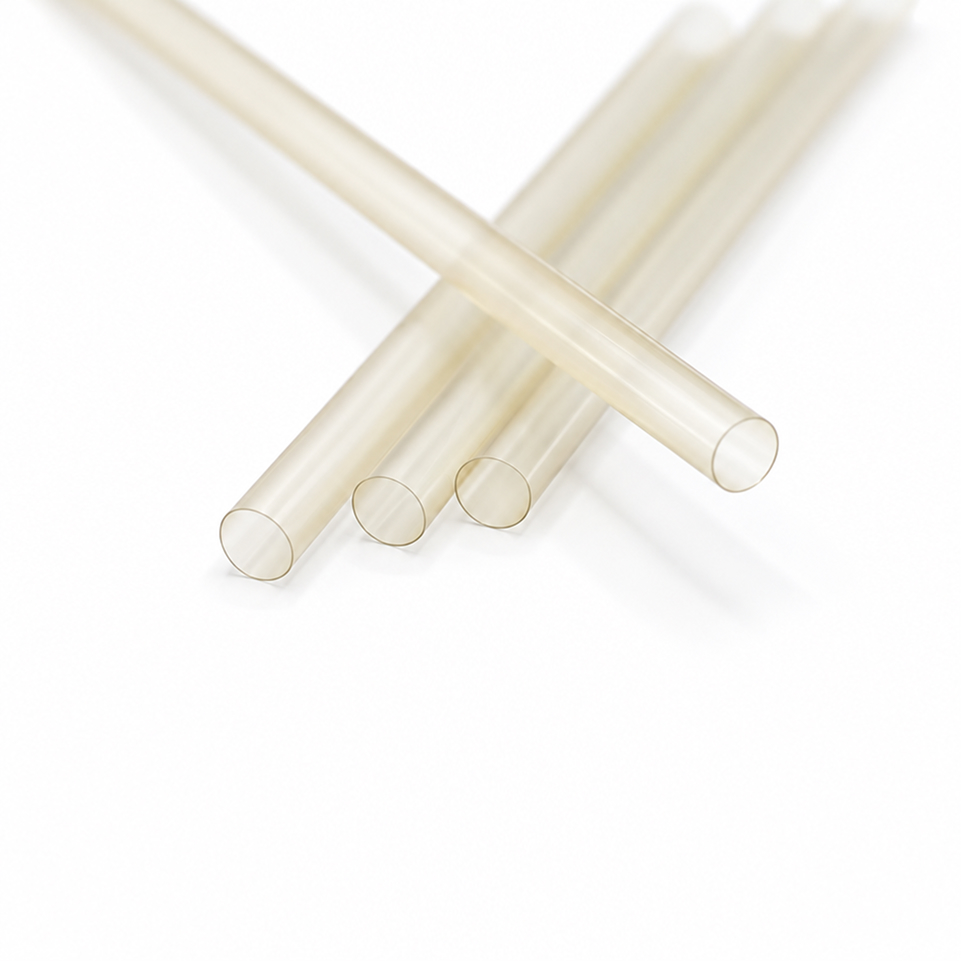
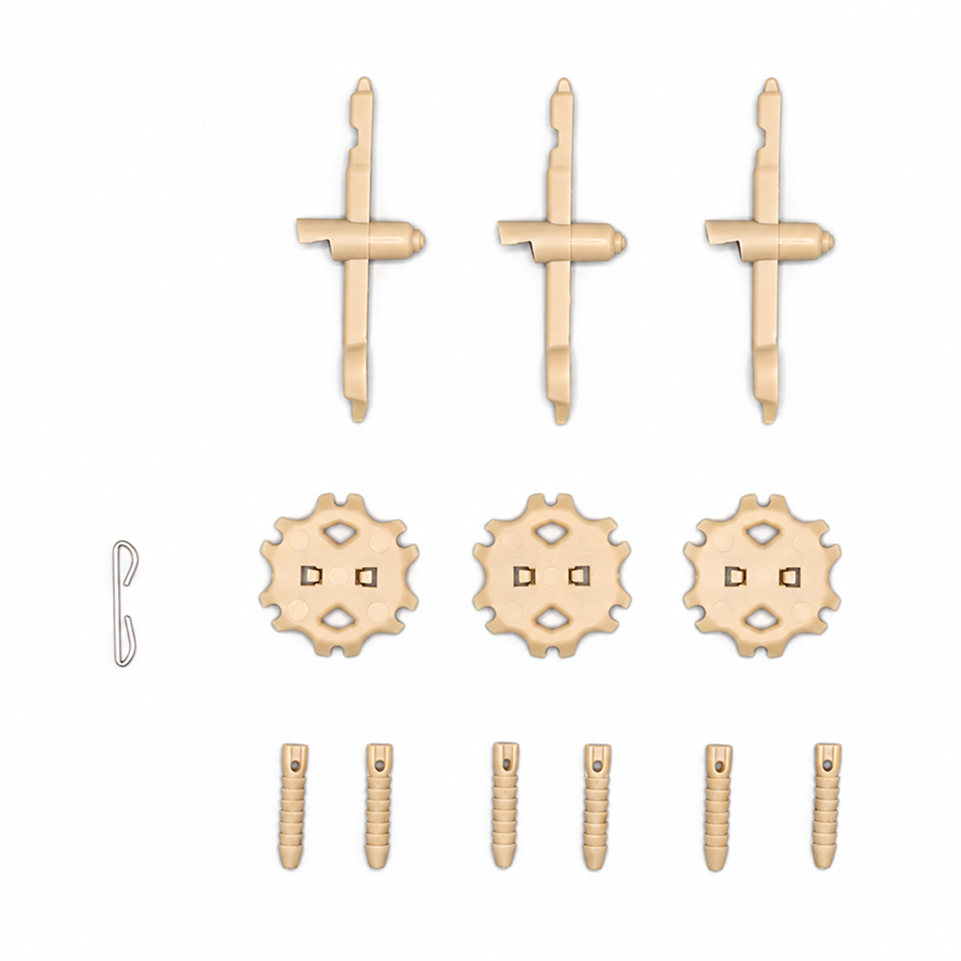
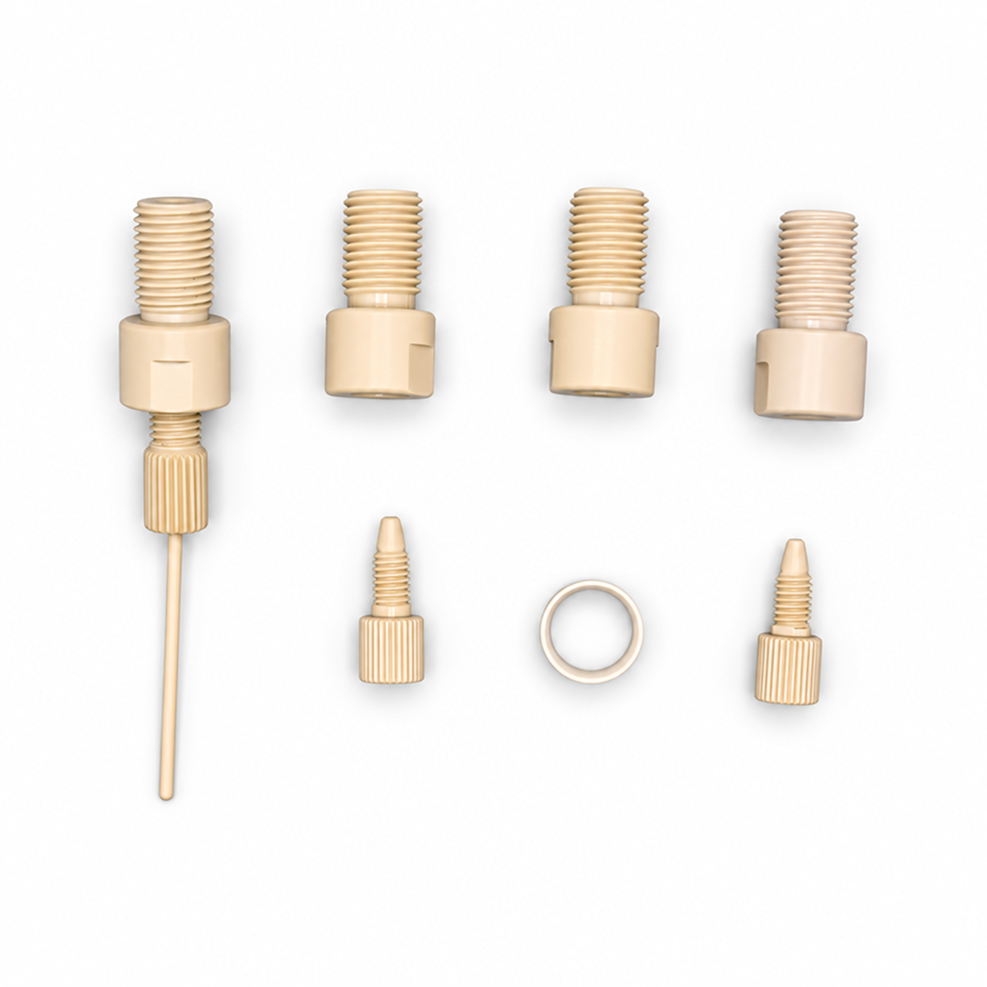
PEEK is a high-performance engineering plastic that keeps its stiffness and dimensions past 250 °C. Extruded tubing, heat shrink tubing, moulded parts and machined parts — 4 items.
The same PEEK reads differently in each form. Tubing is bore and wall, heat shrink is shrink ratio, moulding and machining are process conditions.
Runs stably at 250 °C while holding high strength, fracture toughness and dimensional stability. Chemical stability, flame resistance, wear resistance and biocompatibility come with it.
A high-performance thermoplastic shrink tube. It resists extreme temperature, high pressure and corrosive liquids as a protective layer over sensitive parts and joints.
Moulded in a Class 10,000 cleanroom to meet implant regulation. Its modulus sits close to bone (about 3.8 GPa) and it passes X-rays without appearing on CT or MRI.
Medical device components cut from PEEK stock. High hardness, corrosion resistance and a 260 °C rating let them replace metal parts.
PEEK is one material. What differs is Form — extrude it, shrink it over something, mould it, or cut it.
PEEK has low surface energy, so printing needs pre-treatment. Bundling machining, bonding and marker bands in one place removes an inspection step.
If the wall has to reach 0.01 mm, PI. PEEK moulds and machines and is stiffer on its own, which suits structural parts and implants.
Extruded tubing runs stably above 250 °C; moulded parts take 250 °C continuous and 300 °C instantaneous. Heat shrink tube is −40 – 260 °C.
Yes. Properties hold through prolonged steam, EtO and gamma exposure. Only the heat shrink tube should not be autoclaved repeatedly.
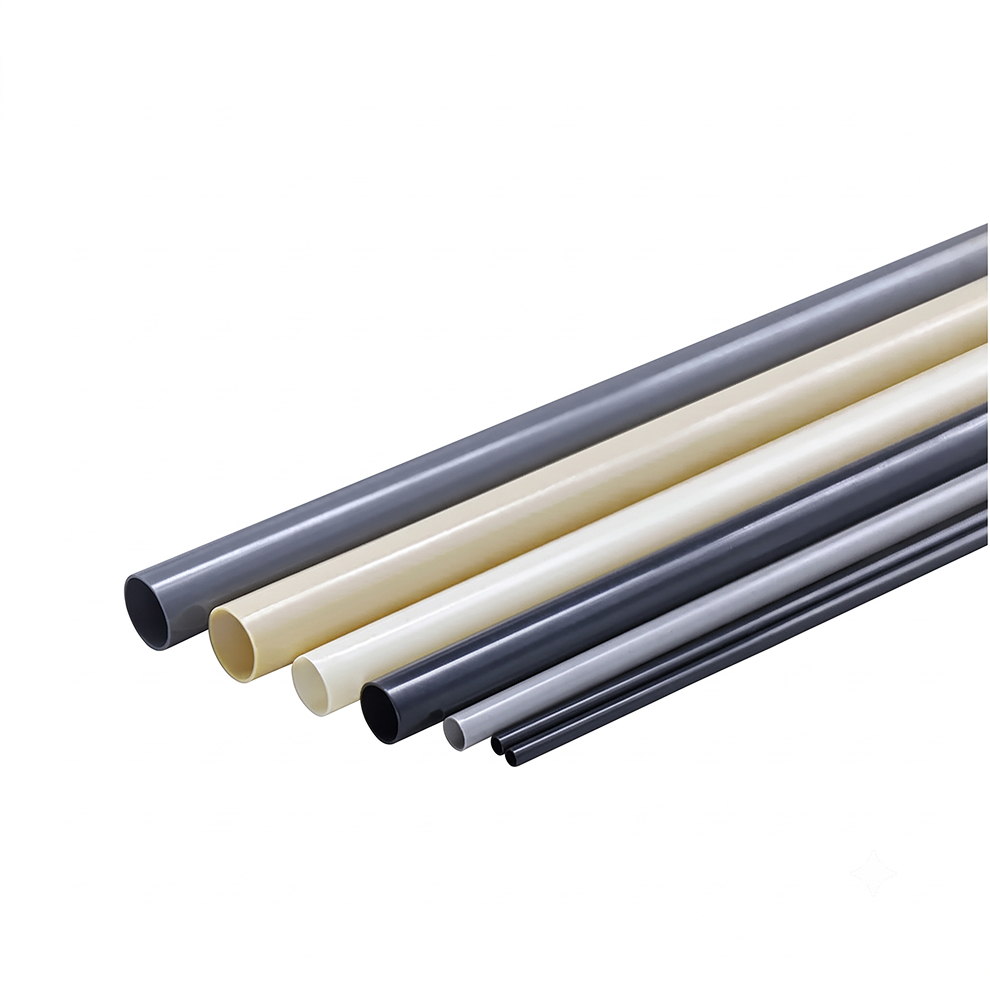
It is transparent to X-rays and does not appear on CT or MRI — an advantage over metal in implant design.
Its hardness, corrosion resistance and 260 °C rating replace many metal parts. Send the load case and we will assess it with you.
Yes. We run a separate PEEK printing pre-treatment — handled alongside the surface treatment work.
Dimensions, material, application. Those three are enough to start. A drawing makes it faster. We reply with TDS, MSDS and MOQ together.